


Top Picks for Best Camera Drones for Videography: Unleash Your Aerial Creativity
Imagine floating through the air, capturing footage that looks straight out of a cinematic masterpiece. That’s no longer the domain of just Hollywood filmmakers, thanks to the advancements in camera drone technology. If you’re passionate about videography, investing in the right camera drone can transform your visual storytelling. In this guide, we will explore some top picks for the best camera drones for videography, equipped to help you unleash your aerial creativity and bring breathtaking perspectives to life.
Choosing the perfect drone involves more than just looking at specifications; it’s about finding a model that aligns with your creative vision and practical requirements. While DJI might dominate the conversation with their technologically advanced models, brands like Autel and Parrot offer compelling alternatives that might be better suited for specific needs or budgets. Let’s dive into detailed reviews to understand what makes each drone stand out in the crowded skyline of options.
DJI Mavic Air 2
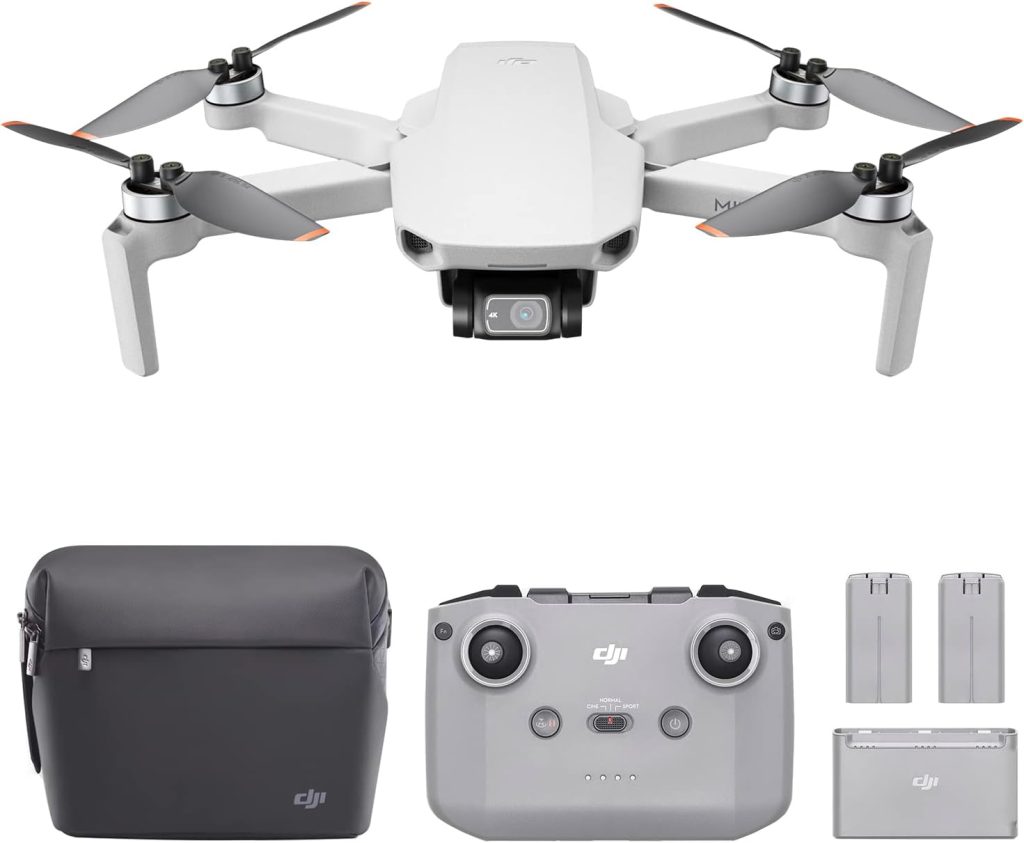
The DJI Mavic Air 2 stands out for its impressive balance of performance and portability, making it a favorite among both professional videographers and enthusiasts. It boasts a robust set of features that enhance both usability and the quality of footage.
Pros
- Exceptional image quality with a 1/2″ CMOS sensor
- Up to 34 minutes of flight time
- Advanced obstacle avoidance systems
- 8K Hyperlapse feature
- Intuitive flight controls
Cons
- Heavier than its predecessor
- Limited color options in lower light
Key Features & Benefits
The Mavic Air 2 features an upgraded camera capable of shooting 4K video at 60fps and slow-motion 240fps at 1080p, making it incredibly versatile for capturing dynamic shots. Its 48-megapixel high-resolution mode for stills further broadens its utility in various shooting conditions. What sets this drone apart is the Fly More Combo, which is an essential addition for serious videographers. It includes extra batteries, ND filters, and a carrying bag, which collectively extend shooting time and enhance footage quality under varying light conditions.
Beyond its imaging capabilities, the Mavic Air 2’s safety features are noteworthy. Equipped with forward, backward, and downward vision sensors, the drone can autonomously avoid obstacles, providing peace of mind when flying in complex environments. This makes it ideal for capturing smooth, uninterrupted footage while navigating challenging locations.
Autel Robotics EVO II Pro
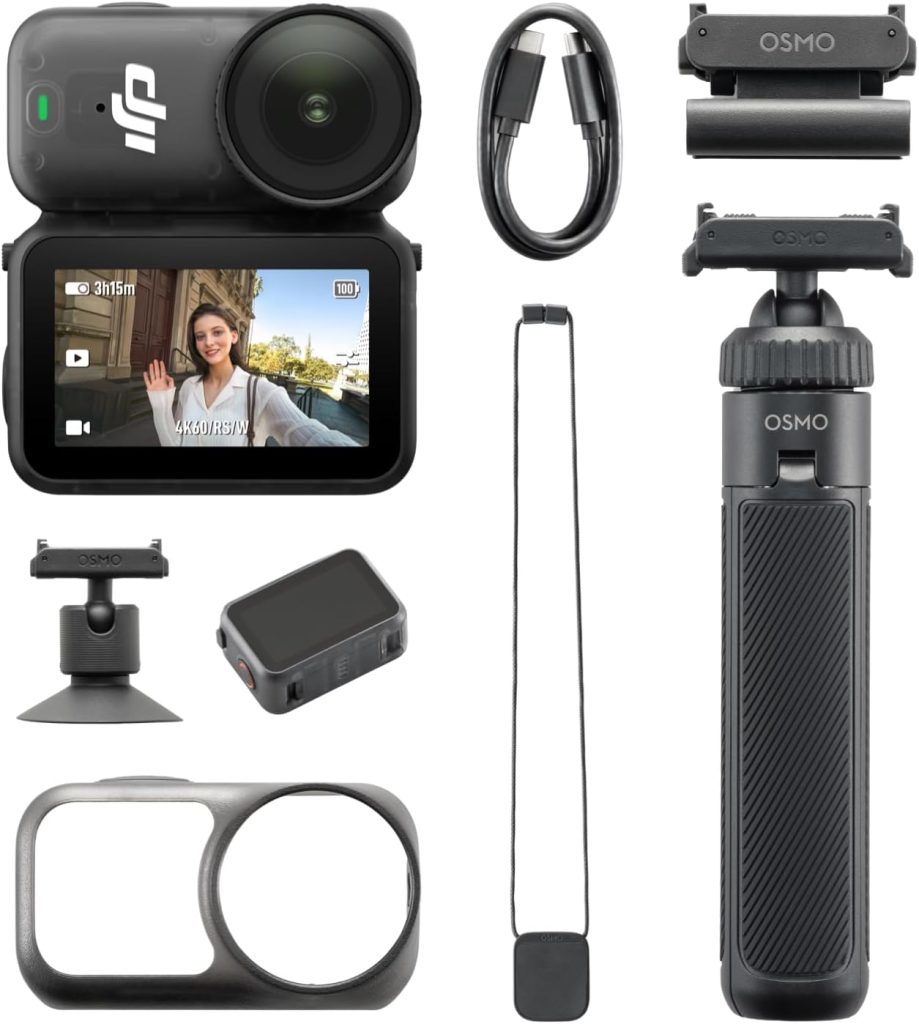
For those who need high-resolution video quality and robust flight performance, the Autel Robotics EVO II Pro is a compelling choice. Its standout feature is the 6K video capability, which is higher than most competitors in its class.
Pros
- 6K video resolution for professional-grade footage
- Adjustable aperture from f/2.8 to f/11
- 40-minute maximum flight time
- Built-in OLED display on remote controller
- 360-degree obstacle avoidance
Cons
- Bulkier design compared to others
- Relatively high price point
Key Features & Benefits
The EVO II Pro is equipped with a 1-inch sensor, which is larger than many drones in its category. This larger sensor allows for greater light gathering capabilities, crucial for low-light conditions. Additionally, the ability to shoot at 6K resolution offers videographers not just higher clarity but also the flexibility in post-production to crop footage without loss of detail. The adjustable aperture is especially beneficial for professionals who require more control over the depth of field and exposure.
From a usability perspective, the EVO II Pro excels with its integrated OLED screen on the controller. This feature allows for quick flight data viewing and direct feed of the camera, making it easier to operate the drone without needing additional devices. Its robust design and 360-degree obstacle sensing make it suitable for tough environments, where flying lesser-equipped drones might be risky.
Parrot Anafi

The Parrot Anafi stands out for its ultra-compact design, making it exceptionally portable without compromising on camera performance. It’s particularly suited for videographers who travel frequently and need a quick-to-deploy drone.
Pros
- Lightweight and foldable design
- 180-degree vertical tilt gimbal
- High-quality 4K HDR video
- Quiet flight operation
- USB-C charging
Cons
- Less effective in windy conditions
- Does not include a dedicated controller
Key Features & Benefits
One of Anafi’s prime attributes is its camera with a 180-degree tilt gimbal, which grants unprecedented angles and perspectives, ideal for creative videography. The HDR capability ensures that your videos have vibrant colors and balanced exposure, even in challenging lighting conditions. Moreover, its USB-C charging port adds a layer of convenience, allowing you to charge it on the go.
Despite its light frame, the Anafi does not skip on durability. It has a robust structure and quiet flight mechanics, making it less intrusive, which is perfect for natural and wildlife videography. This feature is particularly beneficial in scenarios where you need to minimize disturbance to the surrounding environment.
How to Choose the Right Top Picks for Best Camera Drones for Videography: Unleash Your Aerial Creativity
Choosing the right camera drone for videography isn’t solely about budget or brand. It’s about understanding the specifications that match your filming needs and operational comfort. Consider the following:
Performance
Look for drones that offer a balance of flight time, speed, and responsiveness. Brushless motors provide quieter operation and longer lifespans. Also, consider the flight modes that aid in videography, like follow-me, orbit, or waypoint navigation.
Camera Quality
Evaluate the resolution, sensor size, and frame rates. A larger sensor and higher resolution can significantly improve the quality of the footage, especially in low-light conditions. Adjustable apertures and mechanical shutters reduce distortion in fast-moving shots.
Portability
If you travel a lot or hike to shoot in remote locations, a compact, lightweight drone that is easy to set up will be crucial. Check for models that fold and feature retractable propellers to make transportation easier.
Battery Life and Additional Features
Longer battery life means more shooting time. Look at the availability of extra batteries and the ease of changing them. Also, consider drones that feature obstacle avoidance, GPS stability, and GLONASS to ensure safe operations.
Warranty and After-Sales Support
A drone is a significant investment, and a good warranty can protect that. Look at what the warranty covers and the reputation of the company for after-sales support.
FAQ
What should I consider when looking at the camera specifications?
Evaluate resolution, lens quality, ISO range, and whether the drone supports RAW format for professional post-processing.
Is a 4K camera drone sufficient for professional videography?
While 4K is currently the standard for professional videos, 6K or higher provides more flexibility in post-production for cropping and stabilizing footage without a noticeable loss in quality.
How important is gimbal stabilization?
Gimbal stabilization is critical for smooth footage. A 3-axis gimbal is ideal for dynamic and moving shots, reducing jitter and improving video quality.
Can I operate a camera drone in urban areas?
It depends on local regulations. Always check with local authorities and adhere to regional guidelines and no-fly zones when operating a drone.
What are the benefits of GPS in camera drones?
GPS helps with stability and navigation, allowing for smoother flights and more accurate tracking shots. It also enables features like return-to-home on low battery.
Are there any extra costs associated with owning a camera drone?
Consider costs for additional batteries, memory cards, carrying cases, and potentially, drone insurance or licensing fees depending on your location.
Conclusion
Selecting the perfect camera drone for videography is a journey as exhilarating as flight itself. Each model discussed offers different features and capabilities, from high-resolution videos in the Autel Robotics EVO II Pro to the portability of the Parrot Anafi. Your choice should revolve around what best enhances your creative vision and meets practical needs. Every ascent in the sky opens up new vistas of creativity, and the right drone is your ticket to unlocking these spectacular views. Guided by this comprehensive discussion, you are well on your way to capturing awe-inspiring, high-quality videos from the skies.
Finally, remember that the sky is not the limit but merely the beginning of your creative horizon as a videographer. Embrace the possibilities and let your creativity soar with the right camera drone.