

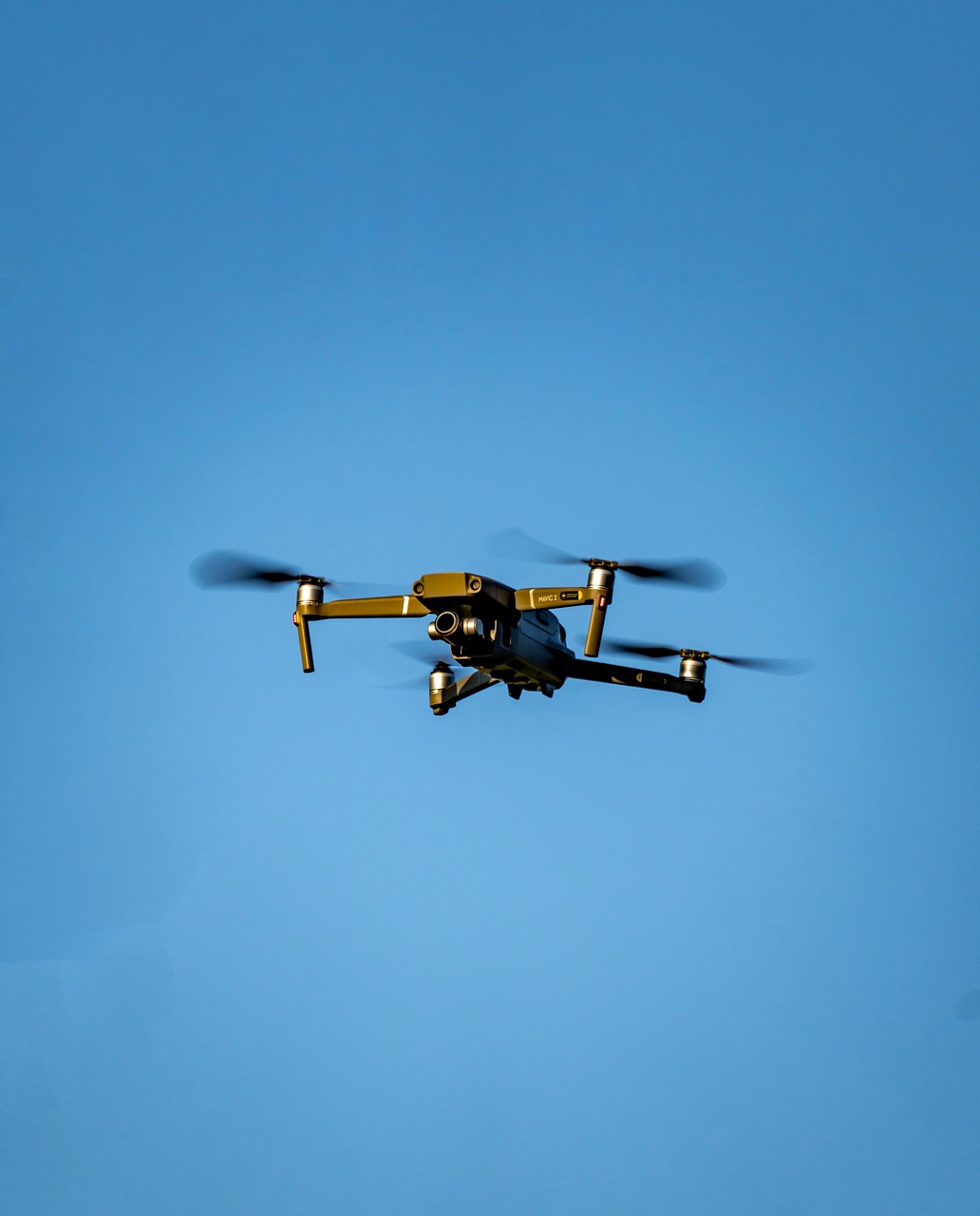
Mastering the Skies: How to Fly a Drone in Windy Conditions
Have you ever watched birds struggling to fly against a strong wind, flapping their wings wildly but staying nearly still in the air? You might have felt a pang of sympathy, but also a marvel at their persistence. Flying a drone isn’t all that different when the wind picks up. Just like those birds, you’ll need to master some skills to keep your drone stable and get where you want to go.
Understanding the Challenge
Flying a drone on a calm, sunny day is enjoyable and mostly stress-free, but when the winds pick up, flying can become a real challenge. The wind can push your drone off course, make it harder to control, and even drain its battery faster. However, with a few tips and tricks, you can learn how to manage these windy conditions and still have a successful flight.
Step-by-Step Guide to Flying in Wind
1. Know Your Drone’s Limits
Before you even think about taking off, it’s essential to know what your drone can handle. Most drones come with a specification that tells you the maximum wind speed they can tolerate. Check the manual or look up the information online. If the wind is blowing stronger than those limits, it might be best to fly another day.
2. Use the Right Settings
If you decide it’s safe to fly, adjust the settings on your drone for optimal control. Many drones have a ‘Sport’ or ‘High Wind’ mode, which are designed to give the drone more power and responsiveness. Activating these settings can help your drone fight against the wind more effectively.
3. Take Off Into the Wind
When you’re ready to lift off, position your drone so that it faces into the wind. This makes it easier for the drone to ascend and gives you more control right from the start. Imagine trying to throw a paper airplane directly into the wind versus with the wind; it’s much the same concept.
4. Keep a Steady Hand and Sharp Eye
As you fly, keep your movements gentle and gradual. Sudden, sharp moves can destabilize the drone, especially in windy conditions. Also, always keep your drone in sight. This might seem obvious, but when it’s windy, your drone can quickly drift out of your planned flight path.
5. Be Prepared for Unexpected Gusts
Even if you checked the wind conditions before your flight, gusts can take you by surprise. Always be ready to adjust your controls to stabilize the drone. If it feels like too much to handle, don’t hesitate to bring your drone back down to wait out the gust or end the session.
6. Land Safely
Landing is tricky in windy conditions. Lower your drone slowly and steadily. If possible, choose a landing spot that’s sheltered from the wind. If the wind is too strong, you might have to manually catch it, which should only be done by experienced pilots or with someone’s assistance.
Why This Matters
Mastering the skies, especially how to fly a drone in windy conditions, not only ensures the safety of your drone but also makes you a more skilled and confident pilot. Each flight in challenging conditions hones your abilities and deepens your understanding of how drones interact with the elements.
FAQs on Flying Drones in Wind
Q: What should I do if my drone starts drifting away in the wind?
A: Try to calmly adjust it back to its path using the controls. If it continues to drift and it’s difficult to control, it’s safer to bring it down and wait for conditions to improve.
Q: Can wind damage my drone?
A: Yes, strong winds can potentially harm your drone. It can crash into obstacles, get struck by debris, or experience wear and tear from struggling against gusts. Always adhere to the recommended wind limits.
Q: Is there a specific time of day that is best for flying in wind?
A: Winds tend to be lighter in the early morning or late evening. However, weather can vary, so it’s always good to check current conditions before deciding to fly, no matter the time of day.
Conclusion
Flying a drone in windy conditions can be challenging, but also rewarding. With practice, proper settings, and a calm approach, you can master the skies under almost any circumstances. Remember to always respect nature’s power and prioritize safety – both for you and your drone. Once you get the hang of handling those breezy days, every flight will teach you something new, making you a better pilot, ready to tackle the skies, no matter how windy.