

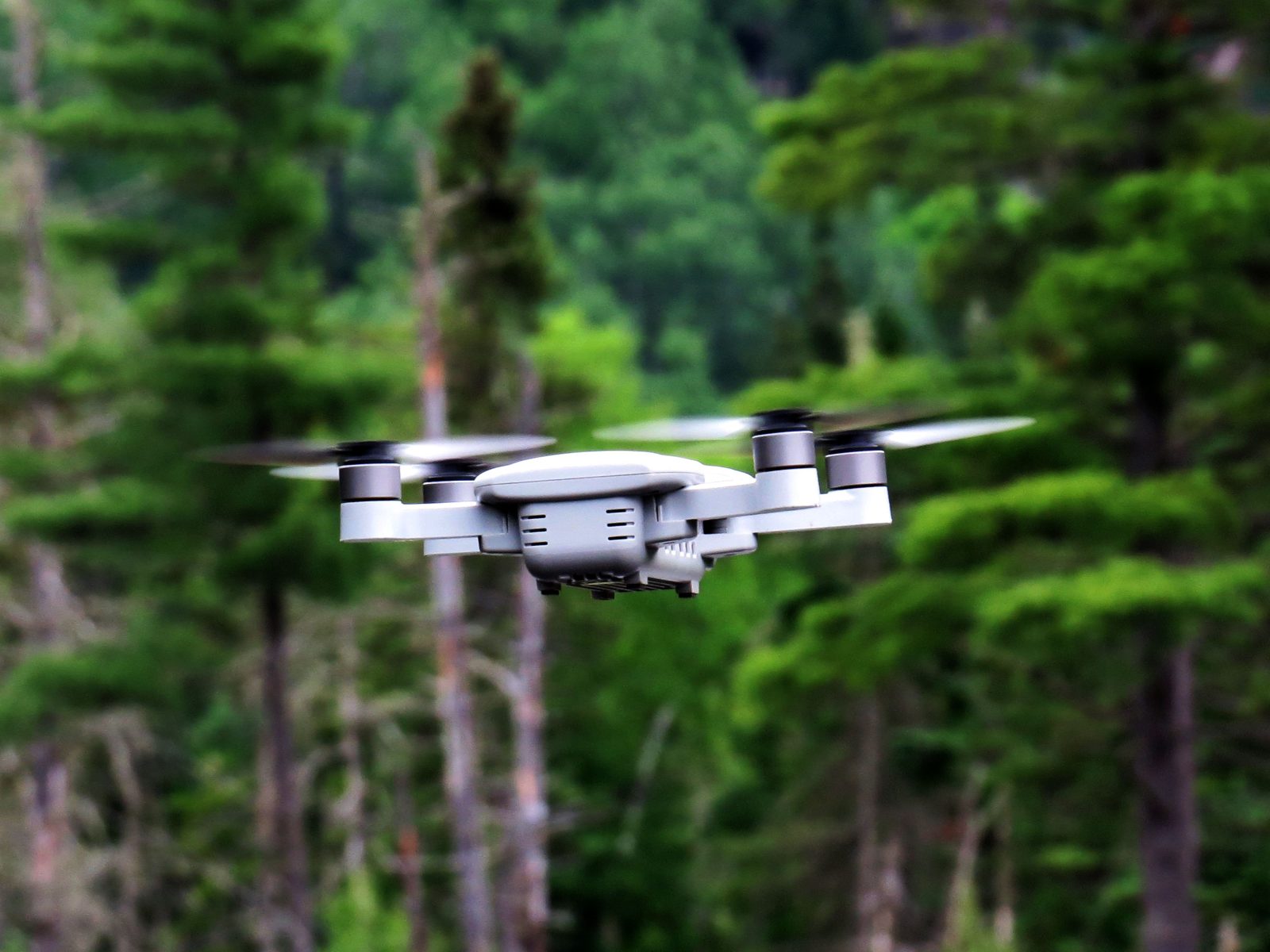
Have you ever wanted to fly a drone but felt confused about the rules you need to follow? Let’s clear up that confusion!
Drones are super cool gadgets that can fly high up in the sky, taking amazing pictures and videos from above. They’re not just toys, though. They’re also powerful tools used for things like checking out what’s happening in hard-to-reach places, helping farmers monitor their crops, or even delivering packages. But with great power comes great responsibility, and that’s why there are specific laws and regulations in place to make sure drones are used safely and respectfully. Understanding drone laws and regulations can seem tricky at first, so let’s break it down in a way that’s simple to grasp.
What Are Drone Laws?
Let’s think of drone laws as rules of the road, but for the sky. These rules help keep both people and drones safe. For example, there are laws that tell you how high you can fly your drone or where you are allowed to fly it. These laws can be different depending on where you live.
Some general rules include not flying your drone near airports or in areas where there could be emergencies happening, like fire-fighting operations. Why? Because a drone could interfere with emergency responses or even cause accidents.
Where to Start with Flying a Drone
The first thing you should do before you start flying a drone is to check if your drone needs to be registered. In many places, if your drone weighs more than a certain amount, you need to register it with a government aviation body. This is basically like getting a license plate for your drone so authorities can track it back to you in case of issues.
After registering, you’ll likely need to mark your drone with its registration number. Think of it like writing your name on your stuff.
Do You Need to Learn to Fly?
Believe it or not, in many places, you also need to pass a test to fly a drone! This test ensures you understand safety, privacy laws, and know how to operate your drone without causing trouble. The test might cover what to do if your drone starts flying away on its own or how to keep it from flying places where it shouldn’t go.
Flying for Fun vs. Flying for Work
There’s a difference between flying a drone for fun and using one for work. If you’re just flying for fun, the rules are usually simpler. You might be limited on where and when you can fly, but generally, you’re just asked to keep your drone within sight and not fly too high or near people.
If you’re using a drone for something like filming a commercial or checking utility lines, you might need a special license. This is because the risks and responsibilities are greater when you’re using a drone professionally.
Respect People’s Privacy
Another important part of drone laws is respecting people’s privacy. Imagine how you would feel if a drone was peeking into your backyard without permission. Not cool, right? Always make sure that while flying your drone, you’re not capturing images or videos of people without their consent.
FAQ Section
Q: Can I fly my drone in a city park?
A: It depends on the laws of the city. Some cities have specific rules about flying drones in public spaces. Always check the local regulations before you fly.
Q: What happens if I break a drone law?
A: Breaking drone laws can lead to fines or other penalties. In serious cases, it could even lead to jail time. The exact consequences depend on what rule was broken and where.
Q: How can I find out more about drone laws in my area?
A: A good place to start is the website of your country’s aviation authority or local government. They often have detailed information about what you need to do to fly a drone safely and legally.
Conclusion
Understanding drone laws and regulations isn’t just about avoiding trouble; it’s also about making sure everyone can enjoy drones safely and responsibly. Whether you’re just having fun, doing a school project, or thinking about starting a drone-related business, getting to know these rules is the first big step. Remember, every great drone pilot starts with a strong understanding of the rules of the sky! So, equip yourself with this knowledge, and you’re ready to take off into the world of drones. Happy flying!